¿Qué son los revestimientos externos?

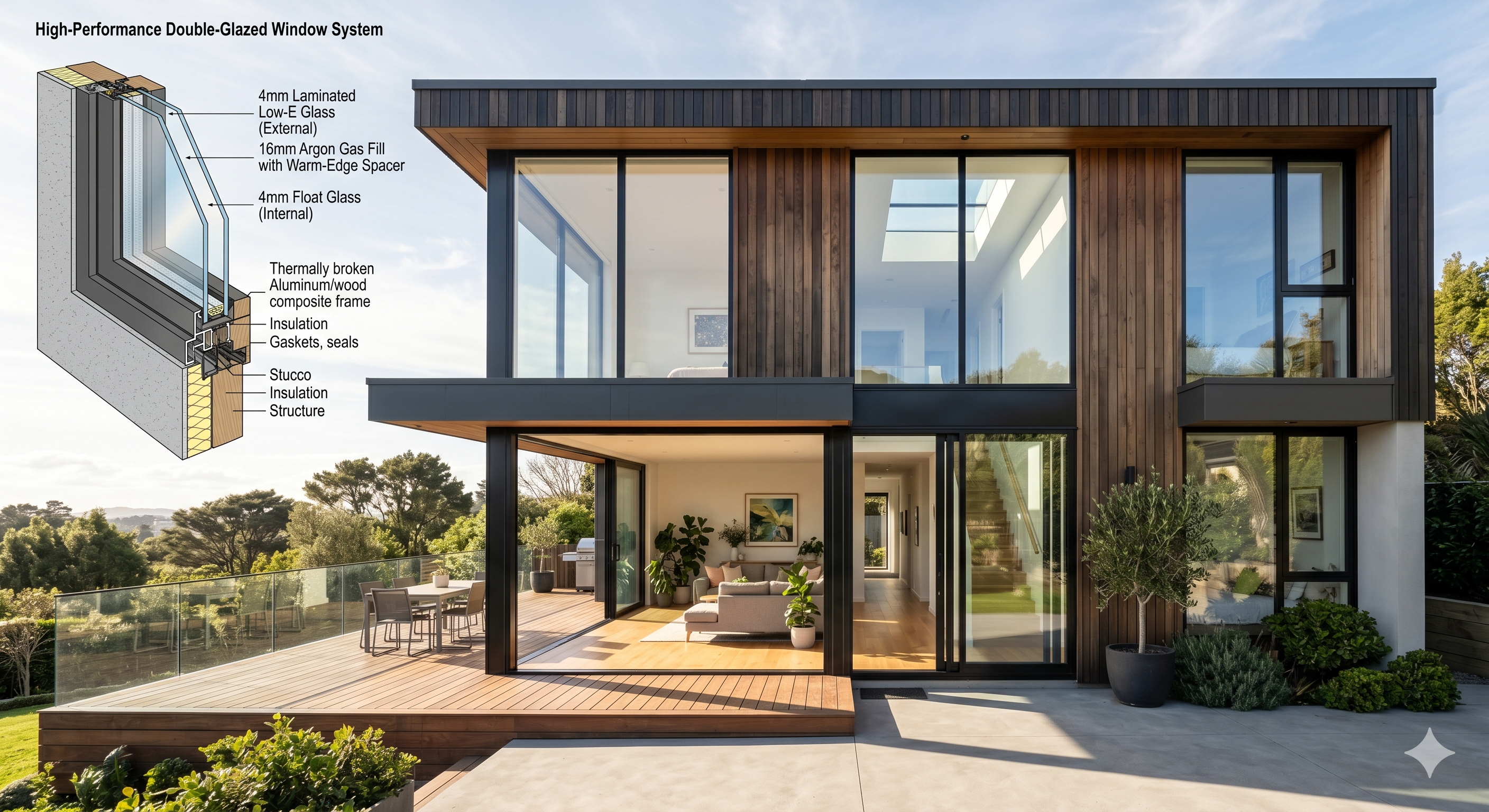
Los revestimientos externos son la piel de tu construcción. Son las capas de material que recubren las paredes exteriores de un edificio cumpliendo una doble función: por un lado, protegen la estructura de las agresiones climáticas —lluvia, sol, viento, humedad, cambios de temperatura—; por otro, definen la estética y la identidad visual del inmueble.

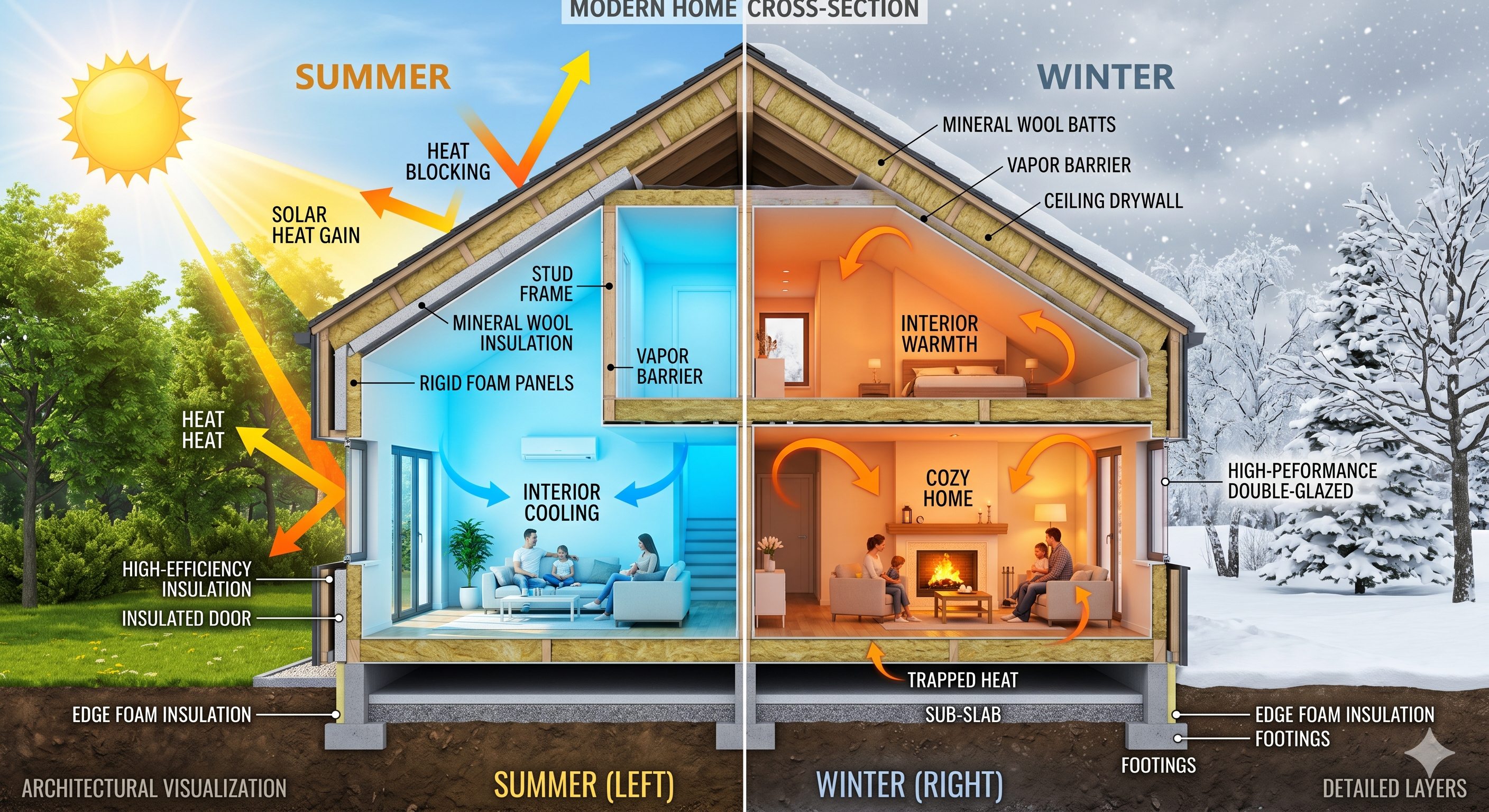
Una fachada bien revestida no es solo cuestión de apariencia. La humedad que penetra una pared sin protección adecuada puede generar eflorescencias, grietas, desprendimientos de revoques y, en casos extremos, daños estructurales costosos de reparar. Del mismo modo, un revestimiento que retiene calor en climas cálidos o que no aísla en regiones frías puede elevar significativamente el consumo energético del hogar.

En América Latina, la elección del revestimiento externo está condicionada por la enorme variedad climática regional: no es lo mismo construir en la humedad subtropical de Buenos Aires o São Paulo que en la aridez de Mendoza, la pluviosidad de Misiones o la costa marítima de Mar del Plata. Cada microclima impone exigencias distintas al material.
Revestimientos Externos: Guía Completa para Fachadas y Exteriores
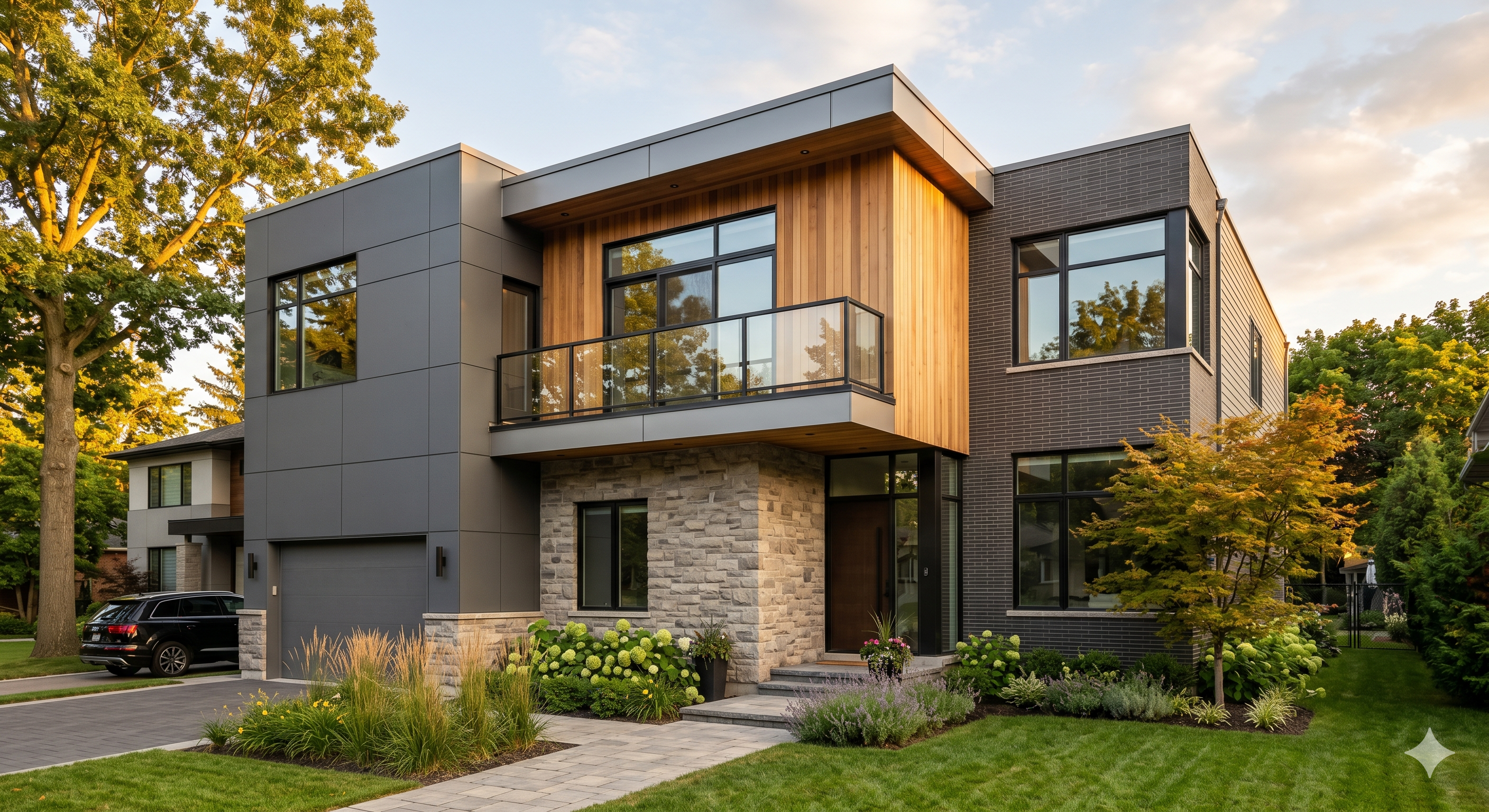
La elección del revestimiento define el aspecto final de cualquier construcción

Tipos de revestimientos externos

El mercado ofrece una amplia paleta de materiales para fachadas, cada uno con ventajas, limitaciones y rangos de precio muy diferentes. A continuación, un cuadro comparativo con los más utilizados en proyectos residenciales:

Material Costo (m²) Vida útil Mantenimiento DIY
Revoque tradicional $15 – $25 20 – 30 años Bajo – medio Requiere práctica
Revestimiento plástico $8 – $15 8 – 12 años Bajo Apto aficionados
Porcelanato / cerámica $35 – $80 30+ años Muy bajo Profesional
Siding de PVC $20 – $40 25 – 30 años Muy bajo Sistema click
Madera tratada $40 – $90 15 – 25 años Alto Con experiencia
Chapa / metal $25 – $50 20+ años Bajo Herramental especial
Piedra natural / artificial $50 – $150 50+ años Muy bajo Profesional

Revoque y texturado

El revoque es, sin dudas, el revestimiento más extendido en América Latina. Su popularidad se debe a su bajo costo relativo, la posibilidad de aplicarlo sobre casi cualquier tipo de mampostería y la flexibilidad de acabados que ofrece: liso, rusticado, proyectado, texturado, granítico.

Composición y proceso de aplicación

El revoque tradicional se compone de mortero de cemento, cal y arena en proporciones variables según la capa. El proceso clásico es bicapa:

  1. Jaharro o grueso: primera capa de mortero pobre en cemento, con arena gruesa, que regulariza la superficie y tapa imperfecciones. Se aplica de 10 a 15 mm de espesor.
  2. Enlucido o fino: segunda capa más fina (3 a 5 mm), más rica en cemento blanco o cal, que da el acabado final. Puede texturarse con esponja, rodillo o máquina proyectora.

Monocapa vs. bicapa

Los revoques monocapa son mezclas industriales que combinan áridos, pigmentos y aditivos en un único paso. Son más rápidos de aplicar y tienen mejor tolerancia al color, pero su costo es más elevado. Son ideales para reformas parciales o cuando el tiempo de obra es un factor crítico.

Los revoques bicapa son más económicos en material pero requieren mayor tiempo de curado entre capas (al menos 24 horas) y más pericia por parte del aplicador. El resultado, en manos expertas, es superior en regularidad y adherencia.

Consejo profesional

Siempre aplicá un sellador o hidrófugo antes del revestimiento final para proteger la estructura de la humedad. Este paso, muchas veces omitido por ahorrar tiempo, puede duplicar la vida útil del revoque exterior.

Revestimientos plásticos y pinturas especiales

Las pinturas y revestimientos plásticos son la opción más económica y de más rápida ejecución para renovar una fachada existente. No requieren demoler el revoque previo (siempre que esté en buen estado) y permiten cambiar el color de una propiedad con resultados inmediatos.

Pintura elástomérica

Las pinturas elastoméricas tienen la particularidad de formar una membrana flexible sobre la superficie. Gracias a su alta elasticidad (pueden alargarse hasta un 300%), son capaces de cubrir microfisuras de hasta 1 mm sin romperse. Son la mejor opción en zonas con movimientos sísmicos leves, dilataciones térmicas importantes o edificios con cierta antigüedad que presentan fisuras superficiales.

Pinturas al silicón e hidrófugos

Las pinturas al silicón crean una barrera repelente al agua pero permeable al vapor de agua, lo que las hace especialmente útiles en climas húmedos. La humedad del interior puede salir sin dañar el acabado, mientras que la lluvia no penetra. Son ideales para fachadas de ladrillo visto o piedra que se quieren proteger sin alterar su apariencia.

Los revestimientos texturados plásticos (tipo Tarquini o similar) se aplican con rodillo o proyector y generan un relieve que disimula imperfecciones menores de la superficie. Tienen muy buen comportamiento frente a la intemperie y son lavables con agua a presión una vez curados.

Porcelanato y cerámica exterior

El porcelanato de exterior representa la inversión más duradera en revestimientos de fachada. Su vida útil supera los 30 años con mínimo mantenimiento, y su resistencia a la absorción de agua (menor al 0,5%) lo hace prácticamente inmune a la humedad, el moho y las eflorescencias.

Grandes formatos

La tendencia actual en fachadas de alta gama son los porcelanatos de gran formato (60×120 cm, 80×160 cm o incluso 120×260 cm). Estos formatos generan superficies con muy pocas juntas, lo que mejora la estanqueidad y da un aspecto más contemporáneo. Sin embargo, requieren adhesivos especiales de alta deformación y mano de obra muy calificada para su colocación, dado el peso y la fragilidad de las piezas.

Antideslizante para exteriores

Es fundamental que cualquier cerámica o porcelanato usado en exteriores tenga una clasificación R10, R11 o R12 de resistencia al deslizamiento (escala DIN 51130). Los pisos de terrazas, balcones o accesos al hogar deben cumplir este requisito para evitar accidentes, especialmente cuando están mojados.

Porcelanato gran formato en fachada contemporánea
Los formatos grandes de porcelanato dominan las fachadas de arquitectura moderna

Siding: PVC, fibrocemento y madera

Los sistemas de siding son paneles o tablas que se instalan de forma industrializada sobre una estructura de soporte, generando una fachada ventilada con cámara de aire que mejora el aislamiento térmico y acústico.

Siding de PVC

El siding de PVC es el más económico dentro de los sistemas de fachada ventilada. Sus ventajas incluyen el nulo mantenimiento (no se pinta, no se oxida, no se pudre), el bajo peso y la facilidad de instalación mediante sistema de macho-hembra o clip. Su principal limitante es la dilatación térmica: en exposiciones a pleno sol puede expandirse hasta 3 mm por metro, por lo que es crítico respetar las tolerancias indicadas por el fabricante.

Fibrocemento

Los paneles de fibrocemento ofrecen un aspecto más robusto y están disponibles en acabados que imitan la madera, la piedra o el concreto. Son más pesados que el PVC pero más estables dimensionalmente y con mejor resistencia al fuego. Marcas como Hardie Plank o Equitone son referencias del mercado en este segmento.

Madera tratada

La madera para exterior exige tratamiento contra hongos, insectos y rayos UV. Las especies más utilizadas son el cedro, el ipe, el teca y la madera de pino tratado en autoclave. Su mantenimiento es el más exigente: requiere lijado y aplicación de aceites o barnices cada 2 a 3 años para mantener su color y protección. No obstante, ofrece una calidez estética que ningún otro material puede igualar.

Revestimientos metálicos y de chapa

Los revestimientos metálicos son protagonistas de la arquitectura industrial y contemporánea. Su uso se ha extendido desde los galpones fabriles hacia la vivienda residencial de diseño, donde aportan un carácter singular.

Zinc y aluminio

El zinc desarrolla con el tiempo una pátina protectora natural (la célebre "pátina de zinc") que lo vuelve autorreparable y muy duradero. El aluminio es más ligero y no se oxida, aunque puede mancharse con aguas de lluvia en zonas industriales. Ambos se trabajan en forma de paneles o chapas nervuradas.

Acero Corten

El acero Corten es quizás el revestimiento metálico de mayor impacto visual. Su característica oxidación superficial controlada forma una capa de óxido estable que funciona como barrera protectora natural, sin necesidad de pintura. El color rojizo-terroso que adquiere lo convierte en un material de diseño muy buscado para fachadas de viviendas de autor.

A tener en cuenta

Los revestimientos metálicos requieren una estructura de soporte correctamente ventilada para evitar la condensación en la cara posterior. Sin ventilación, el agua acumulada puede generar herrumbre en la estructura y deteriorar el aislamiento térmico si lo hay.

Datos clave sobre revestimientos

30+
años de vida útil del porcelanato exterior
$15
desde, por m² con revoque tradicional
50+
años garantizados por piedra natural
8h
mínimo de secado entre capas de revoque

Cómo elegir el revestimiento correcto

No existe un único "mejor" revestimiento exterior: la elección siempre es el resultado de ponderar varios factores en simultáneo. Estos son los criterios más importantes a considerar:

1. Clima de la zona

En regiones con alta pluviosidad y humedad ambiente, los materiales impermeables como el porcelanato o el metal son preferibles al revoque tradicional sin hidrófugo. En zonas áridas con grandes variaciones de temperatura, las pinturas elastoméricas son más convenientes por su capacidad de absorber movimientos térmicos.

2. Presupuesto total de obra

El costo del revestimiento no es solo el del material sino también el de la mano de obra, la preparación de la superficie, los accesorios (perfiles, pegamentos, selladores) y el mantenimiento proyectado a 10 años. Un porcelanato puede costar tres veces más que el revoque en la instalación, pero cero en mantenimiento durante décadas.

3. Estilo arquitectónico

El revestimiento debe ser coherente con el lenguaje arquitectónico de la vivienda. Una casa de estilo mediterráneo pide revoque texturado en tonos ocres; una vivienda minimalista contemporánea luce mejor con porcelanato gris de grandes formatos o fachada metálica; una construcción rural integra perfectamente la madera o la piedra regional.

4. Mantenimiento disponible

Si el propietario no tiene tiempo ni recursos para mantenimiento periódico, conviene priorizar materiales de nulo o bajo mantenimiento: PVC, porcelanato, metal o piedra. Si la estética natural de la madera es irrenunciable, hay que asumir el compromiso de mantenimiento regular.

Mantenimiento y limpieza

Independientemente del material elegido, todos los revestimientos exteriores se benefician de un mantenimiento preventivo periódico que extiende considerablemente su vida útil.

Revoque y texturas

Lavado con hidrolavadora a baja presión una vez al año para eliminar hongos, algas y polvo. Cada 5 a 7 años, inspección de fisuras y rejuntado de las mismas con mortero o sellador elástico antes de aplicar una nueva mano de pintura o textura.

Porcelanato y cerámica

Limpieza periódica con agua y detergente neutro. Revisión de juntas cada 3 a 5 años: si presentan fisuras o manchas oscuras, deben rejuntarse con mortero de rejunte impermeabilizante para evitar la infiltración de agua detrás de las piezas.

Siding y metal

Lavado con agua y esponja blanda. Los sistemas de PVC pueden limpiarse con soluciones suaves de hipoclorito para eliminar manchas verdes de algas. Los metales deben inspeccionarse anualmente en busca de óxido incipiente, especialmente en zonas de juntas o perforaciones.

Madera

Es el material más exigente: lijado suave y aplicación de aceite protector o barniz UV cada 2 a 3 años. En zonas costeras con alta salinidad, este ciclo puede reducirse a 1 a 2 años. Inspección de cabeceras y uniones, que son las zonas más vulnerables a la penetración de humedad.

Errores comunes al revestir una fachada

Conocer los errores más frecuentes ayuda a evitarlos y puede ahorrarte costosas reparaciones futuras:

  • No preparar bien la superficie previa: aplicar revoque o pintura sobre una superficie sucia, húmeda o con restos de material antiguo suelto garantiza el desprendimiento prematuro del revestimiento.
  • Omitir el hidrófugo de base: muchos aplicadores saltan este paso para ahorrar tiempo o dinero, exponiendo la estructura a infiltraciones que se manifiestan meses o años después.
  • No respetar los tiempos de curado: apurar el secado entre capas de revoque o pintura es una de las causas más comunes de fisuras y descascarado temprano.
  • Elegir materiales de interior para exterior: porcelanatos sin clasificación antideslizante, pinturas sin protección UV o maderas sin tratamiento de exterior se deterioran rápidamente ante la intemperie.
  • Ignorar los movimientos estructurales: en edificios de más de dos plantas o con losas de hormigón, es fundamental incluir juntas de dilatación en el revestimiento cada 4 a 6 metros para absorber los movimientos térmicos y evitar el agrietamiento.
Atención

En zonas con presencia de salitre (suelos ricos en sales o zonas costeras), las eflorescencias blanquecinas que aparecen en los revoques no son solo estéticas: indican movimiento activo de agua por la pared. Tratarlas con pinturas sin resolver la causa de la humedad es ineficaz a mediano plazo.

Costos de mano de obra

El costo del revestimiento exterior incluye tanto el material como la mano de obra especializada. A continuación, los rangos típicos de honorarios de aplicación en Argentina (valores de referencia 2026, sin materiales):

  • Revoque traditional (jaharro + fino): $10 – $18 por m²
  • Pintura exterior (2 manos): $5 – $10 por m²
  • Textura proyectada: $8 – $14 por m²
  • Colocación de porcelanato: $15 – $25 por m²
  • Instalación de siding PVC: $10 – $18 por m²
  • Colocación de piedra o mármol: $20 – $40 por m²
  • Instalación de chapa/metal: $15 – $30 por m²

Tené en cuenta que estos valores pueden variar significativamente según la provincia, la complejidad de la obra (altura, ornamentos, ángulos difíciles) y la experiencia del aplicador. Siempre solicitá al menos tres presupuestos comparativos antes de contratar.

Consejo de arquitecto

Antes de presupuestar revestimientos, calculá la superficie exacta de la fachada con ArqPlano. El editor te permite medir muros, calcular áreas y planificar la obra con vista 3D, lo que evita errores de cómputo y compras de material innecesarias.

Planificá tu fachada antes de construir

Una de las decisiones más costosas en construcción es cambiar el revestimiento exterior una vez aplicado. Por eso, visualizar la fachada antes de ejecutarla puede ahorrarte tiempo, dinero y disgustos.

Con ArqPlano podés diseñar el plano completo de tu vivienda, definir las dimensiones de las paredes exteriores y calcular automáticamente las superficies a revestir. La vista 3D en tiempo real te permite evaluar cómo se verá la fachada con distintos materiales y colores antes de gastar un solo peso en materiales.
What is external cladding?

External cladding is the skin of your building. It consists of the material layers that cover the exterior walls of a structure, serving a dual purpose: on one hand, it protects the structure from weathering — rain, sun, wind, moisture, and temperature changes — and on the other, it defines the aesthetic and visual identity of the property.

A well-clad facade is not just about appearance. Moisture that penetrates a wall without adequate protection can cause efflorescence, cracks, render detachment, and in extreme cases, structural damage that is costly to repair. Equally, a cladding material that traps heat in warm climates or fails to insulate in cold regions can significantly increase a home's energy consumption.

In Latin America, the choice of external cladding is conditioned by the enormous regional climatic variety: building in the subtropical humidity of Buenos Aires or São Paulo is very different from building in the aridity of Mendoza, the rainfall of Misiones, or the maritime coast of Mar del Plata. Each microclimate imposes different demands on the material.

External Cladding: Complete Guide for Facades and Exteriors
The choice of cladding defines the final appearance of any construction

Types of external cladding

The market offers a wide palette of facade materials, each with very different advantages, limitations, and price ranges. Below is a comparative table of the most commonly used in residential projects:

Material Cost (m²) Lifespan Maintenance DIY
Traditional render $15 – $25 20 – 30 years Low – medium Requires practice
Plastic coating $8 – $15 8 – 12 years Low DIY-friendly
Porcelain / ceramic tile $35 – $80 30+ years Very low Professional
PVC siding $20 – $40 25 – 30 years Very low Click system
Treated wood $40 – $90 15 – 25 years High With experience
Sheet metal / metal $25 – $50 20+ years Low Special tools required
Natural / artificial stone $50 – $150 50+ years Very low Professional

Render and textured finishes

Render is, without a doubt, the most widespread cladding in Latin America. Its popularity stems from its relatively low cost, the ability to apply it over almost any type of masonry, and the flexibility of finishes it offers: smooth, rustic, projected, textured, or granite-effect.

Composition and application process

Traditional render is composed of cement mortar, lime, and sand in varying proportions depending on the layer. The classic process is two-coat:

  1. Scratch coat (base layer): first coat of cement-lean mortar with coarse sand, which levels the surface and fills imperfections. Applied at a thickness of 10 to 15 mm.
  2. Finish coat: second, thinner layer (3 to 5 mm), richer in white cement or lime, which provides the final finish. It can be textured with a sponge, roller, or spraying machine.

Single-coat vs. two-coat render

Single-coat renders are industrial mixes that combine aggregates, pigments, and additives in a single step. They are faster to apply and have better color consistency, but their cost is higher. They are ideal for partial refurbishments or when construction time is a critical factor.

Two-coat renders are more economical in terms of material but require more curing time between layers (at least 24 hours) and greater skill from the applicator. The result, in expert hands, is superior in evenness and adhesion.

Professional tip

Always apply a sealer or water-repellent before the final cladding to protect the structure from moisture. This step, often skipped to save time, can double the lifespan of exterior render.

Plastic coatings and special paints

Plastic paints and coatings are the most economical and quickest option for renovating an existing facade. They do not require demolishing the existing render (as long as it is in good condition) and allow the color of a property to be changed with immediate results.

Elastomeric paint

Elastomeric paints are notable for forming a flexible membrane over the surface. Thanks to their high elasticity (they can stretch up to 300%), they are capable of covering micro-cracks of up to 1 mm without cracking. They are the best option in areas with mild seismic activity, significant thermal expansion, or older buildings that display surface fissures.

Silicone-based paints and water repellents

Silicone-based paints create a water-repellent barrier while remaining permeable to water vapor, making them especially useful in humid climates. Interior moisture can escape without damaging the finish, while rain cannot penetrate. They are ideal for exposed brick or stone facades that need protection without altering their appearance.

Plastic textured coatings (such as Tarquini or similar products) are applied with a roller or sprayer and create a relief texture that conceals minor surface imperfections. They perform very well against the elements and can be cleaned with a pressure washer once cured.

Exterior porcelain and ceramic tile

Exterior porcelain tile represents the most durable investment in facade cladding. Its lifespan exceeds 30 years with minimal maintenance, and its resistance to water absorption (less than 0.5%) makes it virtually immune to moisture, mold, and efflorescence.

Large formats

The current trend in high-end facades is large-format porcelain tiles (60×120 cm, 80×160 cm, or even 120×260 cm). These formats create surfaces with very few grout joints, which improves watertightness and gives a more contemporary look. However, they require special high-deformation adhesives and highly skilled labor for installation, given the weight and fragility of the pieces.

Slip resistance for exteriors

It is essential that any ceramic or porcelain tile used outdoors has a slip resistance classification of R10, R11, or R12 (DIN 51130 scale). Floors on terraces, balconies, or home entrances must meet this requirement to prevent accidents, especially when wet.

Large-format porcelain on a contemporary facade
Large-format porcelain tiles dominate the facades of modern architecture

Siding: PVC, fiber cement, and wood

Siding systems consist of panels or boards installed in an industrialized manner over a supporting structure, creating a ventilated facade with an air cavity that improves thermal and acoustic insulation.

PVC siding

PVC siding is the most economical option within ventilated facade systems. Its advantages include zero maintenance (no painting, no rusting, no rotting), low weight, and ease of installation via a tongue-and-groove or clip system. Its main limitation is thermal expansion: in full sun exposure, it can expand up to 3 mm per meter, making it critical to respect the tolerances specified by the manufacturer.

Fiber cement

Fiber cement panels offer a more robust appearance and are available in finishes that imitate wood, stone, or concrete. They are heavier than PVC but more dimensionally stable and with better fire resistance. Brands such as Hardie Plank or Equitone are market references in this segment.

Treated wood

Exterior wood requires treatment against fungi, insects, and UV rays. The most commonly used species are cedar, ipe, teak, and pressure-treated pine. Its maintenance is the most demanding: sanding and application of protective oils or varnishes every 2 to 3 years is required to maintain color and protection. Nevertheless, it offers an aesthetic warmth that no other material can match.

Metal and sheet cladding

Metal cladding is a hallmark of industrial and contemporary architecture. Its use has spread from factory sheds to designer residential homes, where it adds a unique character.

Zinc and aluminum

Zinc develops a natural protective patina over time (the celebrated "zinc patina") that makes it self-repairing and very long-lasting. Aluminum is lighter and does not rust, although it can stain from rainwater in industrial areas. Both are worked as panels or ribbed sheets.

Corten steel

Corten steel is perhaps the most visually impactful metal cladding. Its characteristic controlled surface oxidation forms a stable oxide layer that acts as a natural protective barrier, without the need for paint. The reddish-brown color it acquires makes it a highly sought-after design material for architect-designed home facades.

Important note

Metal claddings require a properly ventilated support structure to prevent condensation on the back face. Without ventilation, accumulated water can cause rust in the structure and deteriorate thermal insulation if present.

Key data on cladding

30+
years of lifespan for exterior porcelain tile
$15
starting price per m² with traditional render
50+
years guaranteed by natural stone
8h
minimum drying time between render coats

How to choose the right cladding

There is no single "best" exterior cladding: the choice is always the result of weighing several factors simultaneously. These are the most important criteria to consider:

1. Local climate

In regions with high rainfall and ambient humidity, waterproof materials such as porcelain or metal are preferable to traditional render without a water repellent. In arid areas with large temperature variations, elastomeric paints are more suitable because of their ability to absorb thermal movement.

2. Total construction budget

The cost of cladding is not just the material cost — it also includes labor, surface preparation, accessories (profiles, adhesives, sealants), and projected maintenance over 10 years. Porcelain tile may cost three times more than render to install, but requires zero maintenance for decades.

3. Architectural style

The cladding must be consistent with the architectural language of the home. A Mediterranean-style house calls for textured render in ochre tones; a contemporary minimalist home looks best with large-format grey porcelain or a metal facade; a rural construction integrates perfectly with local wood or stone.

4. Available maintenance capacity

If the owner does not have the time or resources for periodic maintenance, it is advisable to prioritize zero- or low-maintenance materials: PVC, porcelain, metal, or stone. If the natural aesthetics of wood are non-negotiable, one must accept the commitment to regular maintenance.

Maintenance and cleaning

Regardless of the material chosen, all exterior claddings benefit from periodic preventive maintenance, which considerably extends their lifespan.

Render and textured finishes

Low-pressure power washing once a year to remove fungi, algae, and dust. Every 5 to 7 years, inspection of cracks and repointing with mortar or elastic sealant before applying a new coat of paint or texture.

Porcelain and ceramic tile

Periodic cleaning with water and neutral detergent. Joint inspection every 3 to 5 years: if cracks or dark stains appear, regrout with waterproof tile grout to prevent water infiltration behind the tiles.

Siding and metal

Washing with water and a soft sponge. PVC systems can be cleaned with mild bleach solutions to remove green algae stains. Metal surfaces should be inspected annually for early-stage rust, especially at joints or perforations.

Wood

The most demanding material: gentle sanding and application of protective oil or UV varnish every 2 to 3 years. In coastal areas with high salinity, this cycle may be reduced to 1 to 2 years. Inspect ends and joints, which are the areas most vulnerable to moisture penetration.

Common mistakes when cladding a facade

Knowing the most frequent mistakes helps you avoid them and can save you costly future repairs:

  • Poor surface preparation: applying render or paint over a dirty, damp surface, or one with loose old material, guarantees premature cladding failure.
  • Skipping the base water repellent: many applicators omit this step to save time or money, exposing the structure to infiltrations that manifest months or years later.
  • Not respecting curing times: rushing the drying time between coats of render or paint is one of the most common causes of early cracking and peeling.
  • Using interior materials for exteriors: tiles without anti-slip classification, paints without UV protection, or untreated wood deteriorate rapidly when exposed to the elements.
  • Ignoring structural movement: in buildings of more than two stories or with concrete slabs, it is essential to include expansion joints in the cladding every 4 to 6 meters to absorb thermal movement and prevent cracking.
Warning

In areas with salt deposits (salt-rich soils or coastal zones), the whitish efflorescence that appears on rendered surfaces is not merely cosmetic: it indicates active water movement through the wall. Treating it with paint without resolving the underlying moisture source is ineffective in the medium term.

Labor costs

The cost of exterior cladding includes both the material and specialized labor. Below are typical labor fee ranges in Argentina (2026 reference values, materials not included):

  • Traditional render (scratch coat + finish coat): $10 – $18 per m²
  • Exterior paint (2 coats): $5 – $10 per m²
  • Projected texture: $8 – $14 per m²
  • Porcelain tile installation: $15 – $25 per m²
  • PVC siding installation: $10 – $18 per m²
  • Stone or marble installation: $20 – $40 per m²
  • Sheet metal / metal installation: $15 – $30 per m²

Keep in mind that these values can vary significantly depending on the province, the complexity of the work (height, ornaments, difficult angles), and the experience of the applicator. Always request at least three comparative quotes before hiring.

Architect's tip

Before budgeting for cladding, calculate the exact surface area of your facade using ArqPlano. The editor lets you measure walls, calculate areas, and plan the work with a 3D view, avoiding calculation errors and unnecessary material purchases.

Plan your facade before building

One of the most costly decisions in construction is changing the exterior cladding once it has been applied. That is why visualizing the facade before executing it can save you time, money, and headaches.

With ArqPlano you can design the complete floor plan of your home, define the dimensions of the exterior walls, and automatically calculate the surfaces to be clad. The real-time 3D view lets you evaluate how the facade will look with different materials and colors before spending a single dollar on materials.